Category: Sober living

  • Understanding the Differences Between DBT and CBT: A Guide for Mental Health Support

    Recent studies have highlighted that while CBT is effective in increasing self-efficacy, DBT tends to enhance optimism and psychological resilience, showcasing the complementary nature of these therapies. Ultimately, understanding these factors ensures that you select a therapy that best supports your journey to better mental health. ACT, or Acceptance and Commitment Therapy, emphasizes accepting thoughts rather than altering them. On the other hand, EMDR, or Eye Movement Desensitization and Reprocessing, is primarily used to address trauma and PTSD through guided eye movements. CBT encourages self-awareness and self-reflection, empowering individuals to take an active role in their recovery. DBT comes from the philosophy of dialectics which means integrating opposing views.

    What is difference between CBT and DBT?

    CBT Is More Effective For Anxiety Disorders

    • Now, let’s put on our detective hats and explore the world of Cognitive Behavioral Therapy.
    • Homework assignments, such as journaling negative thoughts or practicing relaxation techniques, are an integral part of the therapy.
    • You’ll begin to learn how to reshape your thinking so you can arrive at a more positive (and healthier) interpretation of an event and the thoughts surrounding it.
    • CBT, short for Cognitive Behavioral Therapy, aims to tackle and reshape unhelpful and negative thought patterns.
    • The individual sessions focus on the client’s personal goals and challenges, while group sessions provide a supportive environment to practice skills.

    In DBT, dialectics work by helping you accept things as they are and making changes for the better when necessary. After focusing on drug addiction the present moment, the idea is that the automatic negative thoughts are not engaged with. This can help provide the therapist with the information needed to provide the best treatment.

    Which is more effective for Borderline Personality Disorder: CBT or DBT?

    It’s particularly helpful for those who struggle with intense emotions and self-destructive behaviors. Additionally, DBT has been adapted to treat other conditions, dialectical behavioral therapy such as substance use disorders, eating disorders, and PTSD. Its focus on emotional regulation and interpersonal skills makes it a valuable therapy for individuals with complex mental health needs. CBT focuses on changing negative thought patterns and behaviors, while DBT emphasizes emotional regulation, distress tolerance, and mindfulness techniques.

    Schizoaffective Disorder: Understanding the Combination of Psychosis and Mood Symptoms

    CBT, classified as a form of psychotherapy or “talk therapy,” involves collaboration with a mental health professional. Through this partnership, individuals gain insights into their challenges and acquire skills to https://blog.leviatanhqs.com/2022/04/29/blood-thinners-and-alcohol-everything-you-need-to/ manage them independently. CBT, a cornerstone of evidence-based psychotherapy, serves as a versatile tool for addressing a spectrum of mental health challenges, including depression, anxiety, PTSD, and substance-use disorders.

    CBT vs. DBT: What’s The Difference?

    What is difference between CBT and DBT?

    Your support is greatly appreciated and helps us continue to provide valuable content. Our website is not intended to be a substitute for professional medical advice, diagnosis, or treatment. Always seek advice from your physician or qualified mental health provider. Dialectical Behavior Therapy (DBT) is a comprehensive cognitive-behavioral treatment developed by Dr. Marsha Linehan in the late 1980s.

    • They may also ask about your history and any previous therapies you’ve tried.
    • The therapist guides the individual through exercises and homework assignments that challenge and modify their unproductive thought patterns.
    • DBT takes an all-encompassing approach that combines mindfulness with CBT techniques to facilitate long-term behavioral change.
    • It was initially created to treat BPD (borderline personality disorder).
    • This therapy aims to improve emotional well-being by addressing distorted thinking.

    CBT and DBT are tools that can help anyone lead a more balanced, fulfilling life. For example, someone with social anxiety might avoid social gatherings due to the fear of being judged or rejected. Instead of changing maladaptive thoughts and emotions, DBT encourages experiencing and accepting the emotions and developing healthy ways to cope with them. Connect with our practice to discuss our approaches to therapy and find out which path might be right for you. On the other hand, DBT is often taught in group skills training sessions that consist of several modules. If you are a California resident and interested in CBT or DBT therapeutic services, Trust Mental Health has a BIPOC team of therapists trained in these therapeutic methods.

  • Graph and Multiple Doses

    Cariprodol can be detected in urine for 2-3 days following consumption, but it can be detectable for longer in chronic users. However, chronic users may have detectable levels of carisoprodol in their urine for even longer. The half-life of carisoprodol is approximately two hours, but it can vary between one and three hours in most individuals.

    Possible side effects of Soma

    Urine tests are a valuable tool for healthcare providers as they can provide warning signs and help detect diseases in their early stages. Based on this half-life, it would take about 11 hours to completely eliminate a dose of Soma from the body. It is similar to barbiturates in its effects on the brain and body and is only meant to be used as a short-term drug. Individuals with a slower metabolism may have longer detection times, as the substance is eliminated from their system at a slower rate. Based on this half-life, it would take an average of 11 hours to completely eliminate a dose of Soma from the system. Due to the abuse potential of this medication, periodic urine drug tests may be recommended to monitor for potential misuse.

    Soma In Urine: How Long Does It Last?

    Those with severe hepatic impairment may take longer to fully metabolize an ingested dosage of Soma as a result of compromised isoenzyme function. Specifically, the number of active CYP2C19 alleles influences the amount of carisoprodol that is metabolized to form meprobamate. Therefore it could be suspected that ingestion of Soma along with food intake may alter its pharmacokinetics, leading to a difference in elimination time compared to when ingested on an empty stomach. Since no major studies have been conducted to compare the pharmacokinetics between young adults and elderly, the degree to which age affects elimination is unclear. Other factors such as altered drug disposition, medical conditions, and co-administered medications also likely affect kinetics among the elderly. Younger healthy adults are therefore likely to excrete Soma (and its metabolites) with greater efficiency than elderly counterparts.

    Age plays a significant role in the duration of a substance in the body. This risk is particularly high for individuals with a history of substance abuse or addiction. Given the prolonged half-life of meprobamate compared to cariprodol, there is a risk of meprobamate bioaccumulation following extended periods of cariprodol administration. Meprobamate is a known drug of abuse and dependence, classified as a Schedule IV controlled substance. It usually takes several half-lives for a drug to be fully eliminated from the system.

    • However, Soma’s half-life is relatively short, around 2 to 3 hours, meaning it is metabolized quickly.
    • Over the following decade, numerous Half-Life games were canceled, including Episode Three, a version of Half-Life 3, and games developed by Junction Point Studios and Arkane Studios.
    • Almost 97% of the drug is eliminated after 10 hours.
    • However, the complete clearance of Soma from the system involves multiple half-lives, usually requiring around 11 to 16 hours for full elimination.

    Soma Interactions and Duration

    The exact speed by which an CYP2C19 inhibitor/inducer affects the elimination of Soma (and its metabolites) may depend on the particular drug, as well as its dosage. The difference in elimination times of meprobamate metabolites among acute and chronic Soma users is likely to be significant. Furthermore, it is necessary to consider when a high dosage such as 1050 mg per day is administered, a greater amount of carisoprodol and its meprobamate metabolites may accumulate in bodily tissue. Building on meprobamate’s pharmacological effects, carisoprodol was intended to have better muscle relaxing properties, less potential for addiction, and a lower risk of overdose. It can be detected in urine tests for several days, typically around two to three days, following the last dose.

    Short-Term Relaxation

    If you’re taking another drug along with Soma, it is necessary to evaluate whether it may affect the pharmacokinetics of Soma, and ultimately how long Soma stays in your system. The increased accumulation in bodily tissue, along with increased plasma concentrations leads to a slower elimination. The sex-specific differences that facilitate heightened concentrations of carisoprodol among men remain unclear. This suggests that it may take longer for men to eliminate the carisoprodol from systemic circulation than women. Lipophilic drugs often exhibit increased propensity of accumulation within adipose tissues (e.g. fat stores).

    Why is half life of soma important?

    Its primary metabolite is meprobamate, which is a controlled substance due to its ability to affect brain receptors, leading to dependence and misuse. While it is effective in treating pain, it also has adverse effects, including drowsiness, headache, dizziness, and addiction. However, Soma can be addictive, and some people take it recreationally for its sedative effects. Alternatively, this classification means that research on pregnant individuals has been limited or inconclusive. Anyone worried about drug dependence can contact the Substance Abuse and Mental Health Services Administration (SAMHSA). A healthcare professional will check a person’s medical history and any medications half life of soma they are taking before prescribing Soma.

    If you administered a CYP2C19 inducer, or an agent that enhanced CYP2C19 isoenzyme function, you could expect faster metabolism of carisoprodol. Co-administered drugs that inhibit function of CYP2C19 (or “CYP2C19 inhibitors”) will interfere with the metabolism of Soma, leading to prolonged elimination. Since Soma is primarily metabolized by CYP2C19 enzymes, any drug that serves to inhibit or induce function of CYP2C19 will determine the half-life of carisoprodol and its metabolite (meprobamate). This would suggest that meprobamate could linger in your system (if you are a chronic user) for up to 11 days after your last dose. Increased frequency of administration means that dosage is likely to be greater, yielding more metabolites, and facilitating greater accumulation within bodily tissues. In addition to dosage of Soma influencing its elimination half-life, it is necessary to consider the frequency and term of administration.

    Since the active ingredient within Soma known as “carisoprodol” has an elimination half-life of just 2 hours, we can expect it to be cleared from the system of a single dose user within just 11 hours. A person taking a single dose of 250 mg is unlikely to retain Soma (carisoprodol) nor its meprobamate metabolite within their plasma as someone taking 350 mg three times per day (t.i.d.) for a total of 1050 mg. Soma users with a low percentage of body fat and/or lower BMIs may eliminate the drug quicker than usual because they have less adipose tissue in which the drug may accumulate. Elderly individuals (over age 65) tend to experience altered distribution of various drugs and prolonged metabolism as a result of diminishing hepatic function that often accompanies old age. Due to the relatively short half-lives of both parent drug carisoprodol and its metabolite meprobamate, Soma is likely to be eliminated from your system in under 4 days. If we were to go by the reported ~10 hour average elimination half-life, meprobamate would remain in systemic circulation for approximately 2.29 days after cessation.

    This can be especially beneficial for individuals who suffer from muscle spasms or chronic pain. As your body begins to relax, you may notice a decrease in muscle tension and a sense of heaviness in your limbs. When taken, it can produce a range of effects that last for varying periods of time.

    Combining a muscle relaxant like carisoprodol with opioids and benzodiazepines is referred to as “The Holy Trinity” as it has been reported to increase the power of the “high”. Carisoprodol withdrawal can be life-threatening (especially in high dose users and those who attempt to quit “cold turkey”). Carisoprodol, meprobamate, and related drugs such as tybamate, have the potential to produce physical dependence of the barbiturate type following periods of prolonged use. Because of potential for more severe side effects, this drug is on the list to avoid for elderly people. Meprobamate and other muscle-relaxing drugs often were subjects of misuse in the 1950s and 60s.

    Dosage, frequency, and method of administration

    • You can consider the drug eliminated when about 97% of it is gone.
    • However, a CYP2C19 inhibitor may also decrease the amount of meprobamate metabolites formed which could reduce the duration over which meprobamate stays in your system.
    • Half life is used to estimate how long does medicine stay in your body.
    • This duration can vary depending on factors such as dosing, frequency, weight, and the type of test used.
    • Though carisoprodol exhibits some analgesic and muscle relaxant effects, meprobamate is also considered an effective muscle relaxant with anxiolytic and sedative properties.

    For example, taking Soma with benzodiazepines, such as Xanax or Valium, can enhance its sedative effects and increase the risk of respiratory depression. However, when combined with other medications, its effects can be altered. Soma is often prescribed to treat muscle spasms, anxiety, and insomnia. Taking Soma at the same time every day can help you get the most out of its benefits. Taking Soma too close to bedtime can lead to drowsiness and even sleepiness, which might interfere with your daily routine. For example, if you’re experiencing muscle cramps or tension headaches, taking Soma 30 minutes to an hour before the onset of symptoms can help prevent them from getting worse.

    On average, carisoprodol has an elimination half-life of approximately 2 hours, but may vary between 1 and 3 hours. The agency overseeing pharmaceuticals considered other drugs used with the same indications as carisoprodol to have the same or better effects without the risks of the drug. Carisoprodol’s effect profile did indeed turn out to differ significantly with respect to meprobamate, with carisoprodol possessing stronger muscle relaxant and analgesic effects. In recreational drug users, deaths have resulted from combining doses of hydrocodone and carisoprodol.

    Individuals taking Soma just once per day at 250 mg will not only be ingesting a low dose, but they’ll be giving their body 24 hours to metabolize, distribute, and excrete some of the drug prior to taking their next dosage. The dosage taken, metabolism rate, age, weight, and kidney health can all influence how long cariprodol stays in urine. Specific tests for carisoprodol and its metabolites, such as meprobamate, are required for detection. This means that it takes an average of 11 hours to fully eliminate a single dose of carisoprodol from the body. Similarly, kidney function is crucial for the excretion of the drug, and any impairment in kidney function may impact the detection time in urine tests.

    On average, Carisoprodol has a half-life of around two hours, ranging from one to three hours for most individuals. The presence of Carisoprodol in the body can be detected through various means, including urine, blood, saliva, and hair follicle tests. It is a muscle relaxant with tranquilizer effects, similar to the barbiturate drug class. Understanding the pharmacology of carisoprodol is crucial for optimizing dosage regimens and minimizing adverse reactions.

    Decay focuses on two of Freeman’s colleagues, Gina Cross and Colette Green, as the two work with other scientists to counter the effects of the dimensional rift and ultimately attempt to close it. Decay is unique within the Half-Life series as the only cooperative game—two players must work together to progress through the game. However, unlike previous games, Decay was released exclusively with the PlayStation 2 version of Half-Life.

    For the original Half-Life, they expanded the role of narrative in FPS games; for Half-Life 2, they explored characters and physics systems, and refined these ideas in the Half-Life 2 episodes. The designer Robin Walker said Valve used Half-Life games to “solve some interesting collision of technology and art that had reared itself”. In the episodic games that followed Half-Life 2, Valve made minor tweaks to the game’s engine. It comes packaged with a heavily modified version of the Havok physics engine that allows for an extra dimension of interactivity in both single-player and online environments. The game, Decay, was showcased at E3 2001, where Gearbox demonstrated the game’s use of new model sets, which were around twice as detailed as those in Blue Shift. Afterward, Gearbox began working on a Half-Life game for the PlayStation 2.
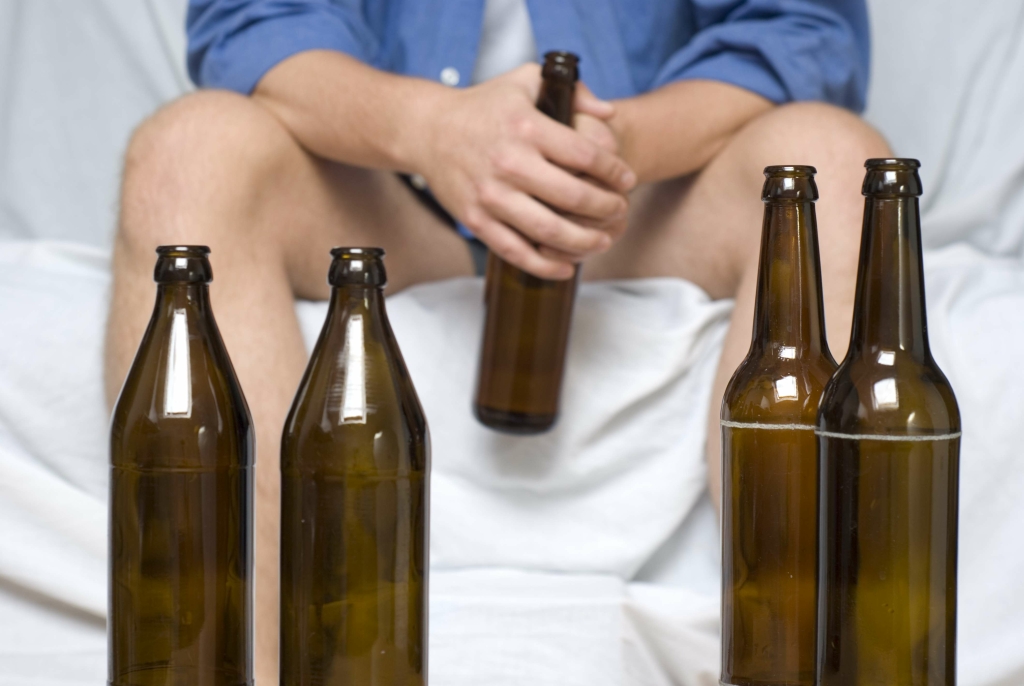

  • Alcohol and Weight: Can Alcohol Cause Weight Gain?

    On the flip side, foods high in trans fats, salt and sugar shouldn’t make up a huge proportion of your diet. Alcohol temporarily lowers it, but later causes a rebound increase, which promotes fat storage, especially around the midsection. You eat well, exercise regularly to lose weight, and generally take care of yourself. Ozempic microdosing has become a popular weight loss method for does alcohol make you gain weight its health benefits.

    does alcohol make you gain weight

    Inadequate intake of micronutrients

    However, it can be harmful to anyone drinking alcohol excessively, as this also might lead to an increase in visceral fat, which wraps itself around vital organs such as the liver. In turn, this impacts other important procedures within the body, such as nutrient absorption and the processing of fat. So, can we really blame the weight gain on alcohol, or are there other factors that should be considered too?

    • Besides these mostly empty calories, alcohol increases your appetite and makes you more impulsive.
    • There are a few reasons why some people may mistakenly believe that non-alcoholic beers are fattening.
    • Explore how it compares to sugar and stevia, plus what it means for weight loss.

    Alcohol and Sleep

    Getting enough quality sleep on a regular basis is vital to help you reach your weight loss goals and support overall health. However, with the right strategies, it’s possible to enjoy social occasions without letting alcohol ruin your weight management goals. Alcohol’s interference with nutrient absorption can significantly impact metabolism and overall health. When alcohol is present in the digestive system, it can impair the absorption of essential nutrients and vitamins, including vitamin B12, thiamine, folate and zinc. These nutrients play crucial roles in energy metabolism and cellular function.

    weight loss journey!

    does alcohol make you gain weight

    Your daily intake of calories may be disrupted because alcohol is high in calories. So here are some quick tips for consuming alcohol that can help Alcoholics Anonymous you manage your calories. Thus, the more drinks you toss out, the higher your calorie intake. When you accumulate exorbitantly high calories than your body can utilize, you are at risk of gaining weight.

  • Cocaine: Side-Effects and Addiction Treatment

    This enables the immune system to recognize cocaine and produce anti-cocaine antibodies, which can bind cocaine in the bloodstream and prevent it from reaching the brain, thereby blocking its psychoactive effects. The increased concentration of dopamine in the synapse activates post-synaptic dopamine receptors, which makes the drug rewarding and promotes the compulsive use of cocaine. Family history is a known risk factor, as relatives of cocaine users have an increased likelihood of developing cocaine addiction.

    Cocaine Complications

    In 2024, drug-related deaths in England and Wales reached their highest level in three decades, with a notable increase in fatalities involving cocaine and experts urging urgent government intervention to address the crisis. Some individuals seek plastic surgery to repair or reconstruct nasal damage caused by cocaine use, although surgical outcomes can be complicated by ongoing tissue loss and poor healing. In 2024, Belgian doctors report a rise in patients needing nose reconstruction due to cocaine use, which damages nasal tissue and cartilage; however, few undergo surgery because it requires at least six months of abstinence from cocaine for proper healing. As a result, individuals with cocaine-induced nasal damage frequently withdraw from social activities and relationships, leading to social isolation. “Cocaine nose” or “coke nose” are informal terms that refer to nose disorders resulting from repeated or chronic cocaine use. Contingency management (CM)—which rewards patients with vouchers for meeting treatment goals—has proven especially effective, particularly for helping patients achieve initial abstinence from cocaine.

    How Is Cocaine Produced?

    A 2001 study reported that the sharing of straws used to “snort” cocaine can spread blood diseases such as hepatitis C. In 1994, the US 9th Circuit Court of Appeals cited findings that in Los Angeles, three out of four banknotes were tainted by cocaine or another illicit drug. When insufflating cocaine, absorption through the nasal membranes is approximately 30–60%

    Cocaine is an addictive stimulant drug that can change lives and be life-threatening. The best way to support someone coping with addiction is to encourage them to find help. It’s important to remember addiction is a chronic disease.

    Addiction often goes hand-in-hand with other mental illnesses. Both must be addressed.

    Experts and drug charities criticized the devices, warning they can give false positives and waste resources, while police forces defended their use as a deterrent. The formation of inactive stereoisomers, along with various synthetic by-products, limits both the yield and purity of the final product. The most commonly encountered form is the hydrochloride (HCl) salt, although other salts such as the sulfate (SO42−) and nitrate (NO3−) are occasionally observed. Cocaine effects, further, are shown to be potentiated for the user when used in conjunction with new surroundings and stimuli, and otherwise novel environs. Cocaine is known to suppress hunger and appetite by increasing co-localization of sigma σ1R receptors and ghrelin GHS-R1a cell surface receptors, thereby increasing ghrelin-mediated signaling of satiety and possibly via other effects on appetitive hormones.

    This makes you compulsively crave or use substances like cocaine. Cocaine, especially crack cocaine, is strongly addictive for several reasons. If you use cocaine regularly or to excess, you may have long-lasting and serious problems with your physical and mental health. Since it’s an illegal drug, you can never be sure about the quality of cocaine. If you keep using cocaine, your brain’s circuits become more sensitive.

    Further specific receptors it has been demonstrated to function on are NMDA and the D1 dopamine receptor. Cocaine has been demonstrated to bind as to directly stabilize the DAT transporter on the open outward-facing conformation. Cocaine and its major metabolites may be quantified in blood, plasma, or urine to monitor for use, confirm a diagnosis of poisoning, or assist in the forensic investigation of a traffic or other criminal violation or sudden death.

    Cocaine Overdose

    • This dopamine surge, simultaneous with the euphoric effects of the drug, teaches the brain that this reward is desirable and to seek it again.
    • Instead of using baking soda as you would with crack, you add ammonia to “free” the cocaine base from its natural form.
    • In 2024, Belgian doctors report a rise in patients needing nose reconstruction due to cocaine use, which damages nasal tissue and cartilage; however, few undergo surgery because it requires at least six months of abstinence from cocaine for proper healing.

    Some studies suggest that cocaine-exposed babies are at increased risk of birth defects, including urinary tract defects and, possibly, heart defects. Regardless of form, however, cocaine’s addictive qualities can cause people to use it repeatedly, which, over time, can cause changes in the brain that may affect how it functions.3 Cocaine is a highly addictive stimulant drug that comes in the form of a white, granular powder.2 People consume cocaine it by snorting it, rubbing it on their gums, or injecting it.1,3 Additionally, crack cocaine, which is simply cocaine that comes in rock form, can be smoked.1,3 Read on to learn more about production, distribution, and those in the cocaine trade, as well as the devastating effects and impacts the continued use of this substance can include. Researchers are evaluating drug treatments that help people stop using cocaine.

    Impact of illicit cocaine

    Often, a cocaine high is over in minutes. It’s also important to remember cocaine use often has a ripple effect, putting stress Cocaine Withdrawal Guide and strain on relationships. Asking for help is a huge and important step toward recovering from cocaine use disorder. People with cocaine use disorder may benefit from community-based programs.

    Food and Drug Administration to treat cocaine use disorder. Babies exposed to cocaine during pregnancy are often prematurely delivered, have low birth weights and smaller head circumferences, and are shorter in length than babies who are not exposed to cocaine during pregnancy.30-32 Snorting cocaine produces a relatively slow onset of the high, but it may last from 15 to 30 minutes. Stress can contribute to cocaine recurrence, and cocaine use disorders frequently co-occur with stress-related disorders. This pathway originates in a region of the midbrain called the ventral tegmental area and projects to other brain areas including the nucleus accumbens, where one of the brain’s hedonic hotspots is also located.6 Besides reward and reinforcement, this circuit also regulates emotions and motivation.7 Cocaine is a Schedule II drug, which means that it has high potential for misuse but can be administered by a doctor for medical uses, such as local anesthesia for some eye, ear, and throat surgeries.

    Subscribe to Cleveland Clinic Health Essentials

    In the United States the manufacture, importation, possession, and distribution of cocaine are additionally regulated by the 1970 Controlled Substances Act. Fishscale cocaine, from fish + scale, is named for its shiny, yellowish flakes that resemble fish scales—distinct from the dull white appearance of standard cocaine powder. Both the pharmaceutical supply chain and the illicit supply chain obtain cocaine from coca cultivated in Latin America, but they operate under very different controls and oversight.

    How Do People Use Cocaine?

    Along with the physical risks, cocaine use can affect your life in other ways. In the United States, cocaine is an illegal drug. For example, those who identify as LGBTQ are more than twice as likely to use illicit drugs as heterosexual people.

    In an emergency? Need treatment?

    Some of the most frequent are cardiovascular effects, including disturbances in heart rhythm and heart attacks; neurological effects, including headaches, seizures, strokes, and coma; and gastrointestinal complications, including abdominal pain and nausea.3 In rare instances, sudden death can occur on the first use of cocaine or unexpectedly thereafter. Small amounts of cocaine usually make people feel euphoric, energetic, talkative, and mentally alert.15 The drug can also temporarily decrease the need for food and sleep.16,17 Some people find that cocaine helps them perform simple physical and intellectual tasks more quickly, although others experience the opposite effect.18 Dissolving cocaine in water and injecting it (intravenous use) releases the drug directly into the bloodstream and heightens the intensity of its effects.

    • Alcohol interacts with cocaine in vivo to produce cocaethylene, another psychoactive substance which may be substantially more cardiotoxic than either cocaine or alcohol by themselves.
    • Chronic use may result in cocaine dependence, withdrawal symptoms, neurotoxicity, and nasal damage, including cocaine-induced midline destructive lesions.
    • Researchers are evaluating drug treatments that help people stop using cocaine.
    • Benthamiana were discovered that were able to produce 25% of the amount of cocaine found in a coca plant.
    • Even if you stop using it for a long time, you could still have cravings for the drug.

    Ypadú or ypadu (also known as mambé) is an unrefined, unconcentrated powder made from toasted coca leaves and the ash of various other plants. The article stated that drinking two cups of the tea per day gave a mild stimulation, increased heart rate, and mood elevation, and the tea was essentially harmless. Coca leaves are typically mixed with an alkaline substance (such as slaked lime) and chewed into a wad that is retained in the buccal pouch (mouth between gum and cheek, much the same as chewing tobacco is chewed) and sucked of its juices. Since 1961, the Single Convention on Narcotic Drugs has required countries to make recreational use of cocaine a crime. The highest prevalence of cocaine use was in Australia and New Zealand (2.1%), followed by North America (2.1%), Western and Central Europe (1.4%), and South and Central America (1.0%). Decades later, the cocaine boom marked a sharp rise in illegal cocaine production and trade, beginning in the late 1970s and peaking in the 1980s.

    When the Spanish arrived in South America, they initially banned coca but soon legalized and taxed it after seeing its importance to local labor. Coca leaves have been used by indigenous South Americans for thousands of years, both as a stimulant and for medicinal purposes. The CCDB challenges optimistic views of drug interdiction effectiveness and underscores the need for new policy approaches, yet remains underutilized in research despite being unclassified. Because the glyphosate is sprayed from the air, there is a much higher chance of human error when spraying suspected illegal coca plantations. There is increasing support for shifting toward drug policies that focus on sustainable development and human rights instead of punitive measures. Drug war policies in Latin America and the Caribbean have led to more violence, higher incarceration rates, health crises, and deeper poverty, while undermining trust in institutions and worsening inequality.

  • Gas-X Extra Strength Oral: Uses, Side Effects, Interactions, Pictures, Warnings & Dosing

    The exact waiting time can vary depending on factors such as the dosage of Gas-X and individual metabolism. However, there is often uncertainty about whether it is safe to consume alcohol after taking Gas-X. John C. Umhau, MD, MPH, CPE is board-certified in addiction medicine and preventative medicine. I am Tom Brett and my wish is to give you the best experience about the alcohol topics. However, if you have any concerns, it is best to talk with your doctor or pharmacist before consuming both together.

    In such cases, it would be wise to consult a medical professional before consuming alcohol. To put it simply, there are no known interactions between Gas-X and alcohol, which means you can safely consume alcohol after taking this medication. Gas-X is a popular over-the-counter medication used to relieve the discomfort caused by gas in the digestive system. There have not been any common or important side effects reported with this medicine.

    It’s likely that taking Gas-X and drinking alcohol in moderation will not cause any harm. In general, it is best to avoid mixing any kind of medication with alcohol if possible. This is especially true when it comes to drinking alcohol while taking Gas X treatment. When taking any medication, it is important to consider the potential risks and side effects that can arise from its use.

    Can I Take Gas-X Before Drinking Alcohol? Safety Considerations

    If you do choose to drink, it is important to do so in moderation and only after consulting with your doctor about potential risks or interactions between medications and alcohol. In general, gas x and alcohol interaction it is best to avoid drinking alcohol when taking Gas X or other medications for digestive problems. It is best to speak to your doctor before drinking alcohol when taking any medication, including Gas X. Some medications may interact with alcohol in dangerous ways and cause serious health complications.

    Simethicone helps break up gas bubbles in the gut.Check the ingredients on the label even if you have used the product before. If you take thyroid medication, take it at least 4 hours before or after products that contain simethicone. Simethicone can decrease the absorption of thyroid medications (such as levothyroxine). Gas-X is used to relieve painful pressure caused by excess gas in the stomach and intestines. Some mixtures of medications can lead to serious and even fatal consequences. If you notice other effects not listed above, contact your doctor or pharmacist.

    • Combining these drugs with alcohol can make the risks and side effects worse, especially if you have liver disease.
    • Do not increase your dose or take this product more often than directed.
    • Some individuals may have sensitivities or allergies to specific ingredients in Gas-X or alcohol, which could cause adverse effects.

    Can I take Gas-X on an empty stomach?

    Eating/drinking quickly, chewing gum, and smoking can cause you to swallow more air. Antacids are designed to reduce the harm from stomach acid and H2 blockers and proton pump inhibitors are made to decrease the production of stomach acid. Gas-X may also be used for purposes not listed in this medication guide.

    Other Interactions

    For optimal relief, take Gas-X shortly before or after drinking. Gas-X helps break up gas bubbles after they form but does not prevent gas production. Its active ingredient, simethicone, works locally in the gut and does not interact negatively with alcohol or affect its metabolism. Simethicone works by decreasing surface tension of gas bubbles in the gut. In summary, occasional use of Gas-X before moderate drinking poses minimal risk but should not be a crutch for chronic digestive distress.

    What Are the Side Effects of Taking Gas X?

    This document does not contain all possible gas x and alcohol interaction drug interactions. Drug interactions may change how your medications work or increase your risk for serious side effects. Tell each of your healthcare providers about all your medical conditions, allergies, and all medicines you use. In some cases, mixing alcohol with medications can lead to an overdose or alcohol poisoning—both of which are potentially life-threatening medical emergencies.

    While it may relieve symptoms caused by gas, it won’t stop alcohol-related digestive changes that increase gas and bloating. Yes, Gas-X is known to provide relief from bloating by breaking up gas bubbles in the digestive system. Discuss with your healthcare professional the use of your medicine with food, alcohol, or tobacco. Do not flush medications down the toilet gas x and alcohol interaction or pour them into a drain unless instructed to do so.

    The following information includes only the average doses of this medicine. The dose of this medicine will be different for different patients. Make certain your health care professional knows if you are on a low-sodium, low-sugar, or any other special diet. Take this medicine after meals and at bedtime for best results. Also tell your health care professional if you have any other types of allergies, such as to foods, dyes, preservatives, or animals.

    • However, it is always best to consult a healthcare professional or pharmacist to ensure there are no potential interactions.
    • In summary, occasional use of Gas-X before moderate drinking poses minimal risk but should not be a crutch for chronic digestive distress.
    • Yes, Gas-X is known to provide relief from bloating by breaking up gas bubbles in the digestive system.
    • It works by breaking down the gas molecules in the stomach, allowing them to be passed through the small intestine and out of the body.
    • However, it is always advised to follow the instructions on the packaging or consult a healthcare professional for proper usage guidelines.

    Can Gas-X help with intestinal gas from food intolerances?

    Gas X is a medication designed to help relieve discomfort caused by excessive gas. For example, if you are prone to experiencing excess gas after eating certain foods or drinking certain beverages, taking Gas X before consuming them may help reduce this effect. In addition to relieving symptoms of trapped gas, Gas X may help prevent it from occurring in the first place. Simethicone is an anti-foaming agent that helps reduce bloating, fullness, and pressure caused by excess gas. It is important to understand how Gas X works and its potential interactions with alcohol before making any decisions. Many people wonder if it is safe to drink alcohol after taking Gas X. The answer is complicated, as it depends on the individual’s health and the amount of alcohol consumed.

    Use the dosing syringe provided, or use a medicine dose-measuring device (not a kitchen spoon). Having an alcoholic drink while you are taking medications to treat prostate conditions can cause dizziness, lightheadedness, and fainting. If you have any health problems, consult your doctor or pharmacist before using this product.

    Conclusion – Can I Take Gas-X Before Drinking Alcohol?

    However, if it is almost time for your next dose, skip the missed dose and go back to your regular dosing schedule. If you miss a dose of this medicine, take it as soon as possible. If you have any unusual effects, contact your doctor or pharmacist promptly. Do not flush medications down the toilet or pour them into a drain unless instructed to do so.

    Can I Take Gas-X Before Drinking Alcohol? Clear Facts Revealed

    In addition, it is important to note that drinking too much alcohol can lead to dehydration and other health complications if not managed properly. Therefore, it is best to avoid drinking alcohol while taking Gas-X or any other medication. Alcohol can interact with certain medications, including Gas-X, and can increase the risk of side effects. People with allergies to medicines similar to Gas X should not take this medication without first consulting their doctor. It works by breaking down the gas bubbles in the stomach and intestines, allowing gas to pass more easily. Gas X can be taken up to four times a day for short-term relief of uncomfortable symptoms.

    It contains an ingredient called simethicone which breaks up gas bubbles in the digestive tract. However, excessive drinking can worsen digestive symptoms beyond what Gas-X can relieve, so moderation is important for overall digestive health. This comparison highlights why simethicone remains a go-to choice for quick relief during episodes of uncomfortable bloating after consuming alcoholic beverages. Therefore, it won’t counteract all causes of bloating related to drinking alcohol but will ease the sensation of trapped gas.

    More on Drugs & Medications

    If your dose is different, do not change it unless your doctor tells you to do so. Take this product by mouth, usually as needed after meals and at bedtime. Tell your doctor about all your current medicines and any medicine you start or stop using. Other drugs may affect Gas-X, including prescription and over-the-counter medicines, vitamins, and herbal products. Ask your doctor or pharmacist about using this product safely. When it comes to how alcohol affects our relationships with those around us.“There is a spectrum that people find themselves on with alcohol.

    Follow Mayo Clinic

    Gas-X can provide temporary relief for occasional gas and bloating, but it is not intended for chronic conditions. Gas-X is generally considered safe to use during pregnancy, but it is always best to consult your healthcare provider before taking any medication. However, it is always best to consult a healthcare professional or pharmacist to ensure there are no potential interactions. Gas-X primarily works by breaking up gas bubbles in the stomach and intestines, and it does not have any direct interactions with alcohol.